


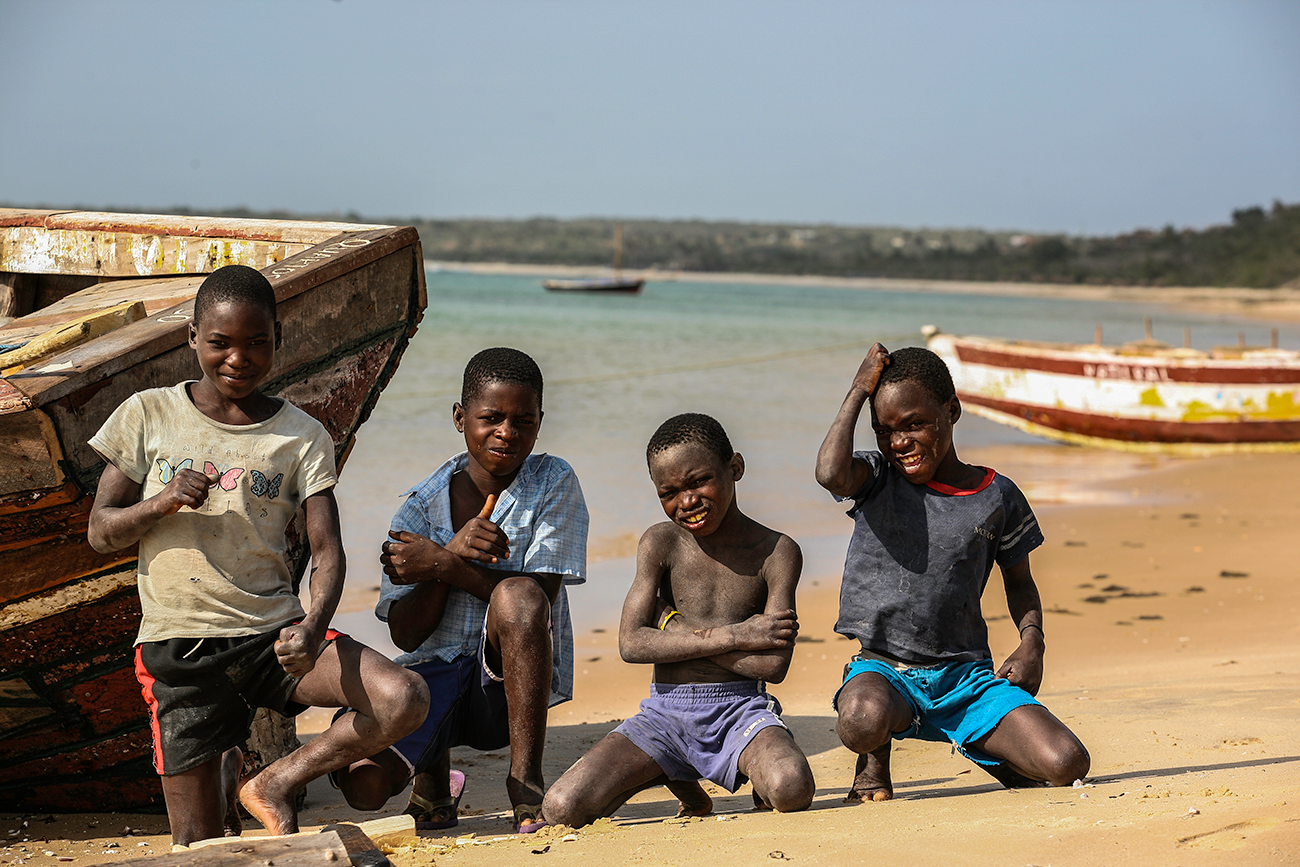
Experienced Photographer with a demonstrated history of working in the motion pictures and film industry. Skilled in Photography, Listing Photography, Travel Photography, Video, Camera, and Commercial Photography. Strong arts and design professional graduated from university of Kocaeli.
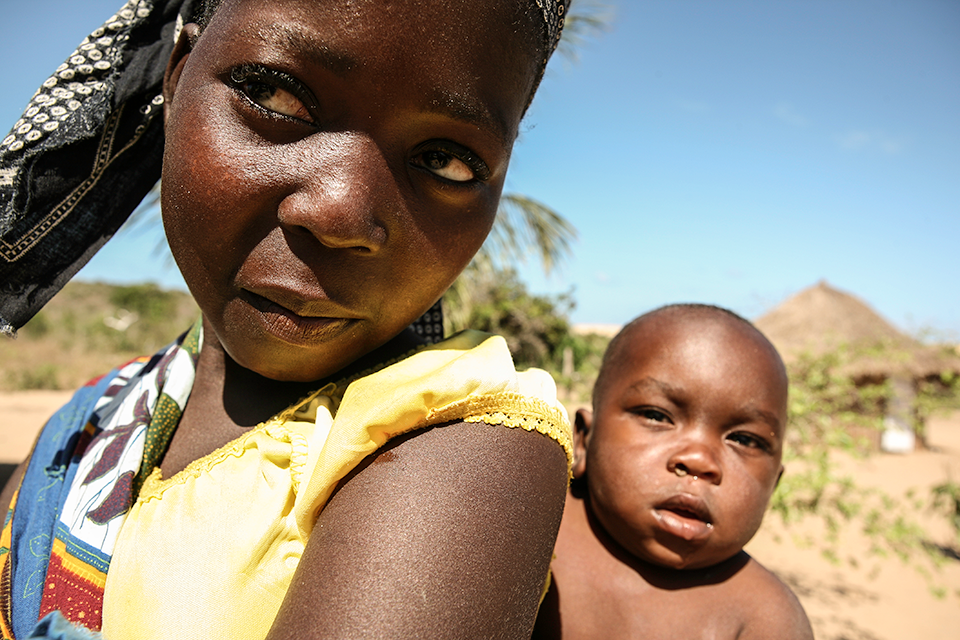
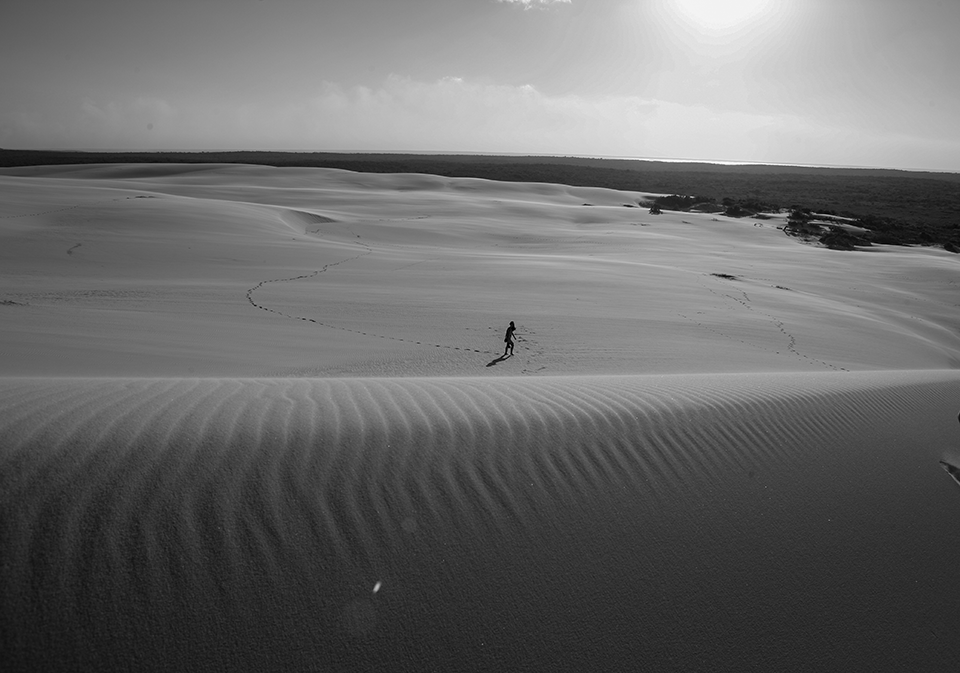
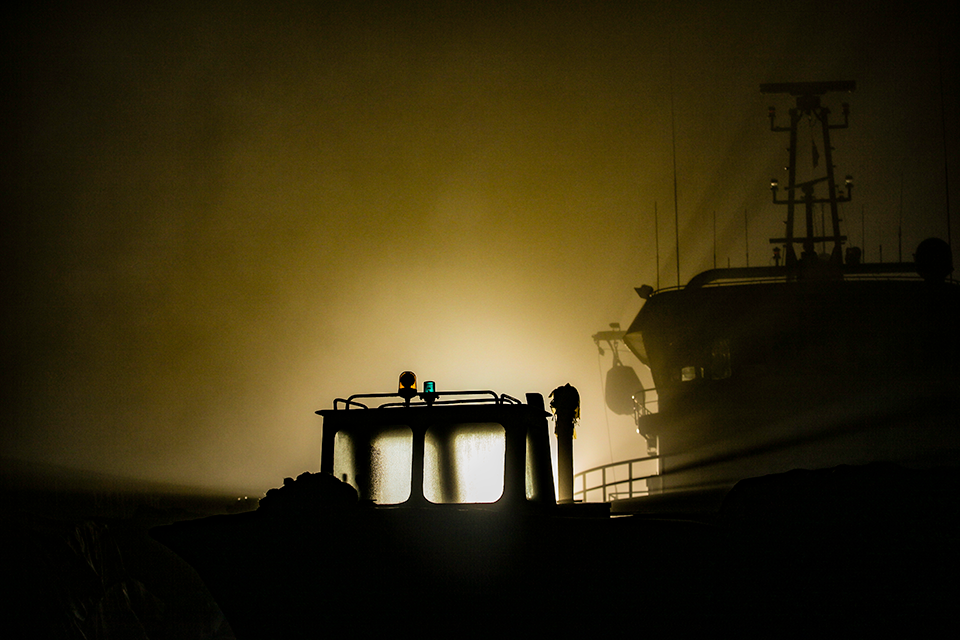
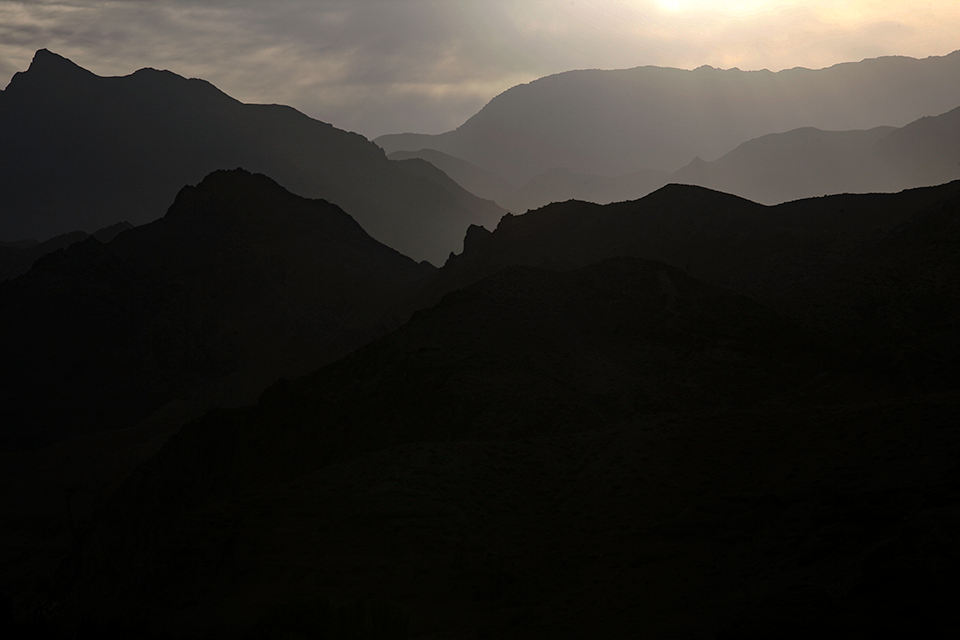
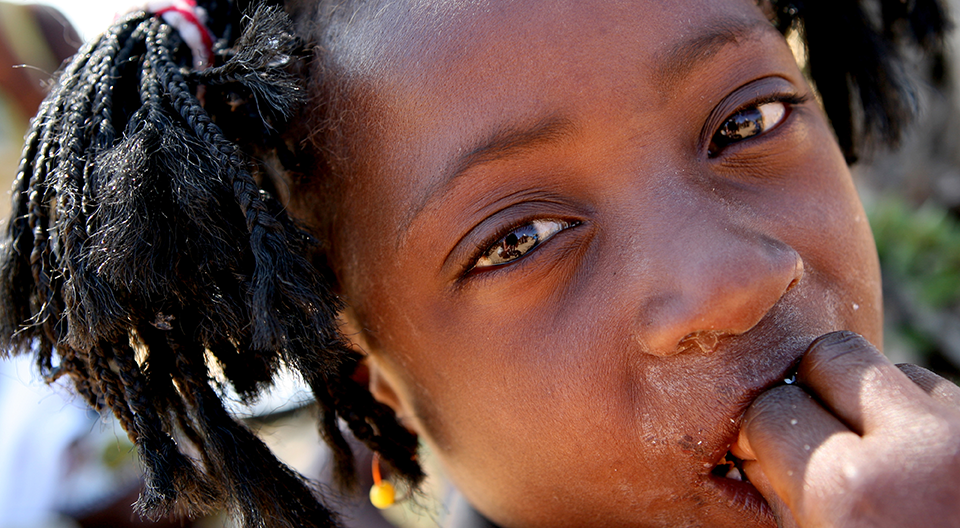
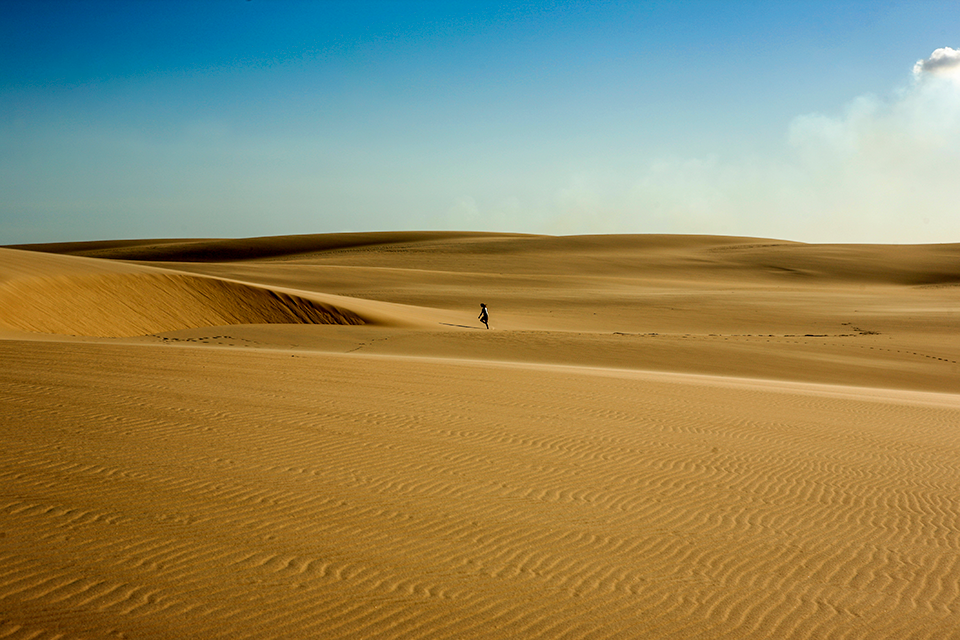
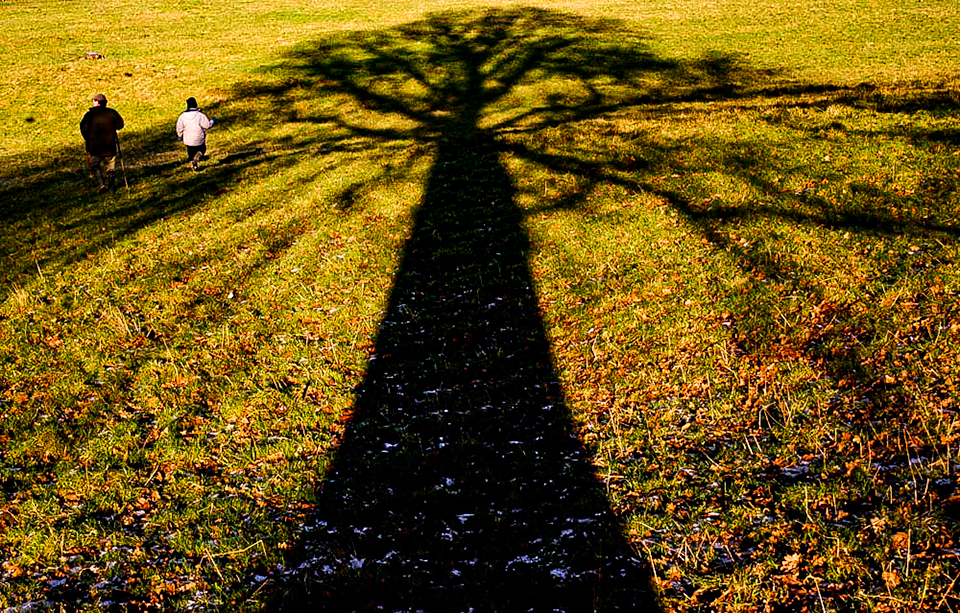
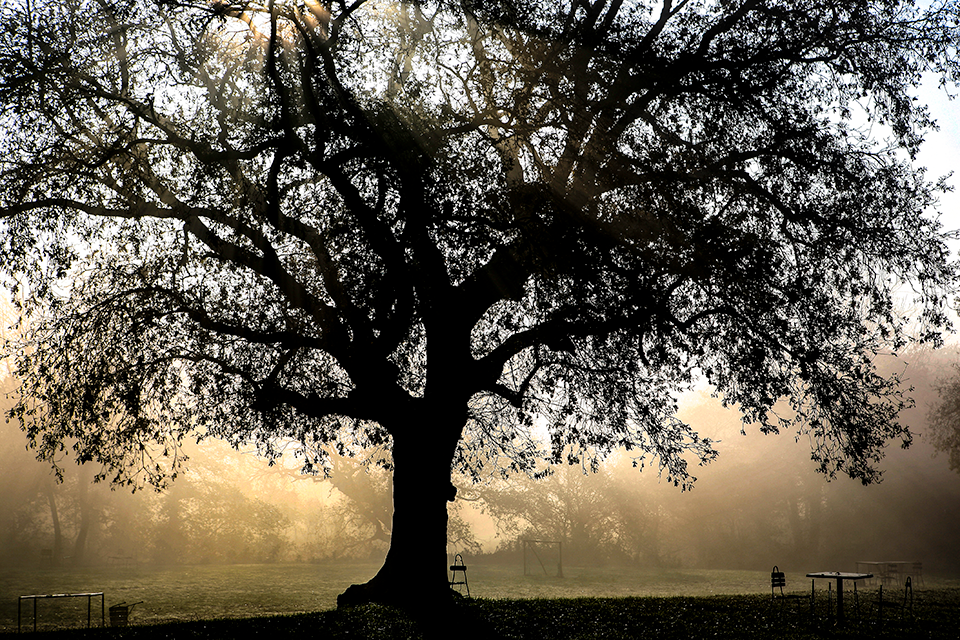
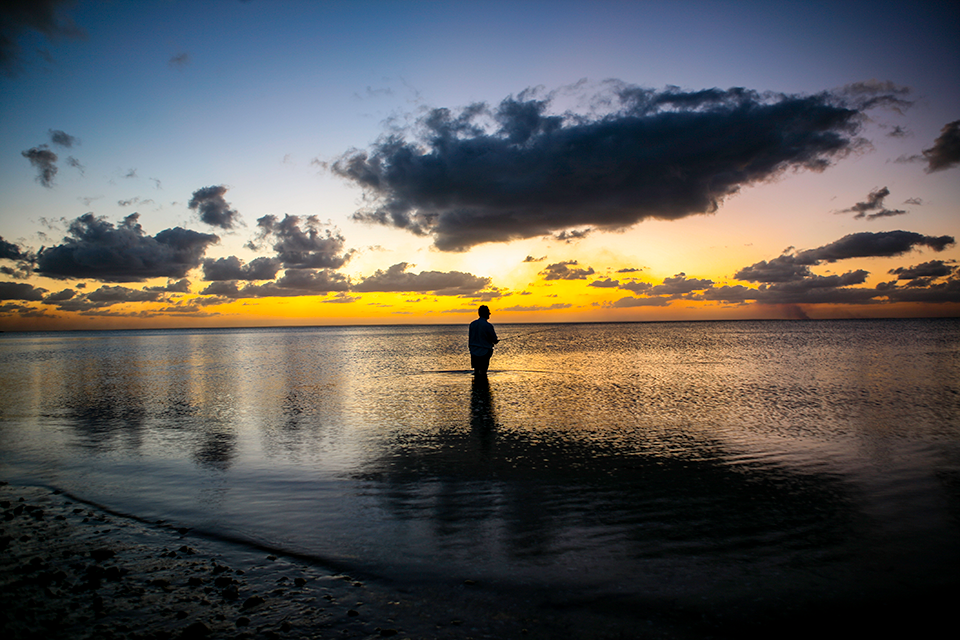
Equipment: Invest in a good quality camera that suits your needs. DSLR and mirrorless cameras are popular choices for travel photography. Consider carrying a versatile lens with a wide focal range to capture a variety of shots. Additionally, bring extra batteries, memory cards, a tripod, and lens filters.Research: Before your trip, research your destination thoroughly. Learn about popular landmarks, iconic landscapes, local customs, and festivals. This will help you plan your shots and be prepared for any specific photography restrictions or requirements.Composition: Pay attention to composition to create visually appealing images. Use the rule of thirds, leading lines, and framing techniques to add interest and guide the viewer's eye. Experiment with different angles and perspectives to capture unique shots.Lighting: Lighting can make or break a photograph. Consider shooting during the golden hour (shortly after sunrise or before sunset) when the light is soft and warm. Avoid harsh midday sunlight, or use diffusers and reflectors to soften the light if necessary.People and Culture: Including people in your travel photos can add a human element and tell a story. Respect local customs and seek permission before photographing individuals, especially in sensitive or private situations.Landscapes: Capture the beauty of landscapes by focusing on the natural elements. Look for interesting foregrounds, use wide-angle lenses to capture expansive views, and consider the use of filters to enhance the colors and contrast of the scene.Street Photography: Documenting the local culture and daily life in a destination is a fascinating aspect of travel photography. Capture candid moments, vibrant street scenes, and interactions between people and their environment.Post-processing: Edit your photos to enhance their visual impact. Basic adjustments like cropping, exposure correction, and color correction can be done using software such as Adobe Lightroom or other editing tools. Be mindful not to over-process, as it can lead to unnatural-looking images.Backup: Ensure you have a reliable backup system for your photos while traveling. Carry extra memory cards and back up your images regularly to a separate storage device or cloud service to prevent loss.Ethical Considerations: Respect the environment and local communities while photographing. Avoid causing harm to wildlife, landscapes, or cultural sites. Be mindful of any restrictions or guidelines in place and follow them accordingly.Remember, travel photography is not just about capturing beautiful images but also about experiencing and appreciating the journey. Enjoy your travels and let your photography reflect your unique perspective and experiences.